
ULRICHSBERG
IN THE MÜHLVIERTEL
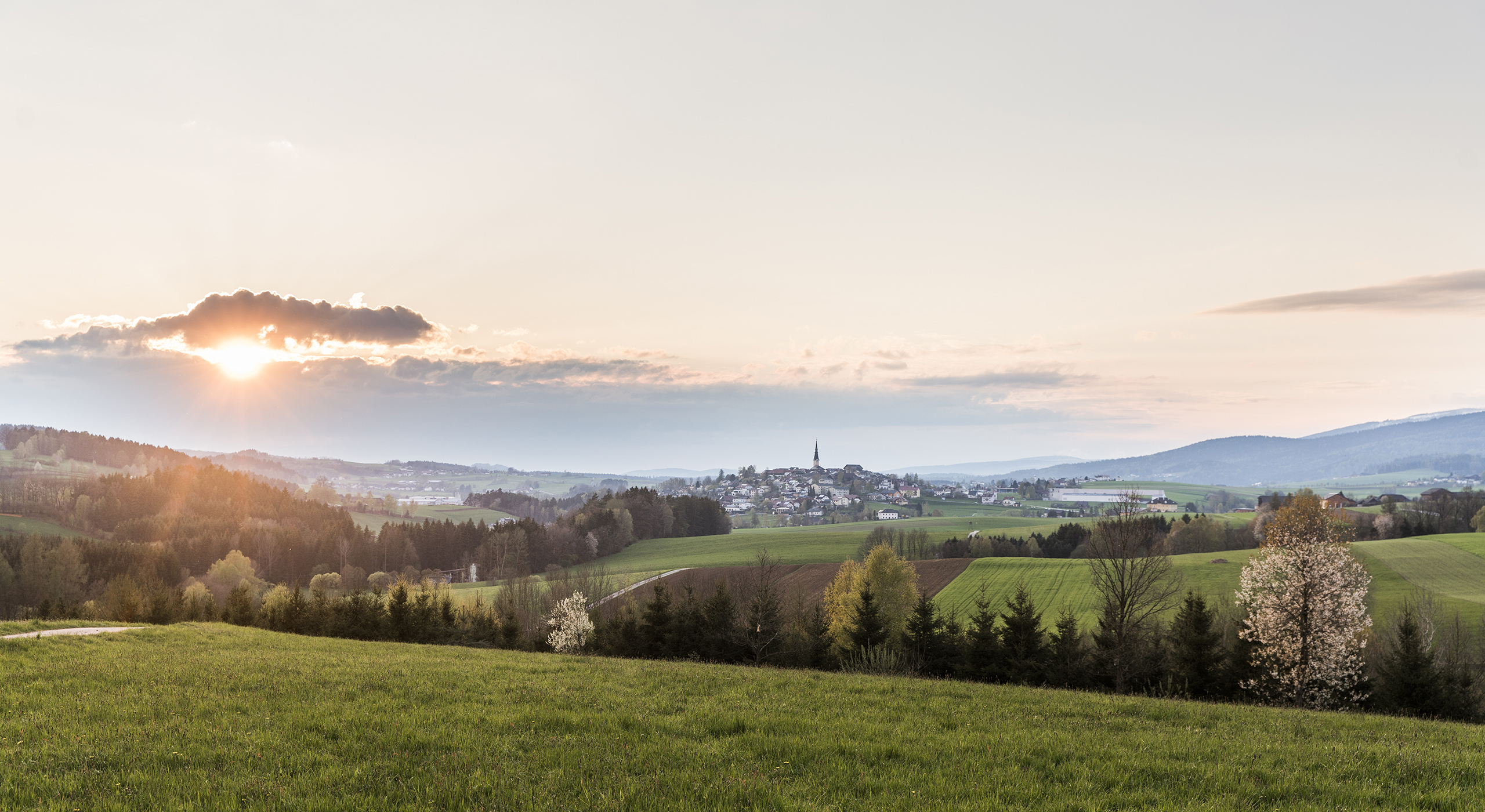
ULRICHSBERG IS DOMINANTLY LOCATED ON A HILL IN THE NORTHERN MÜHLVIERTEL,
EXACTLY 626 METRES ABOVE SEA LEVEL. EVEN FROM THE DISTANCE, ULRICHSBERG ATTRACTS ATTENTION
WITH ITS POINTED CHURCH TOWER. WHAT’S MORE, THE SMALL VILLAGE IS ALSO EXTREMELY DIVERSE.
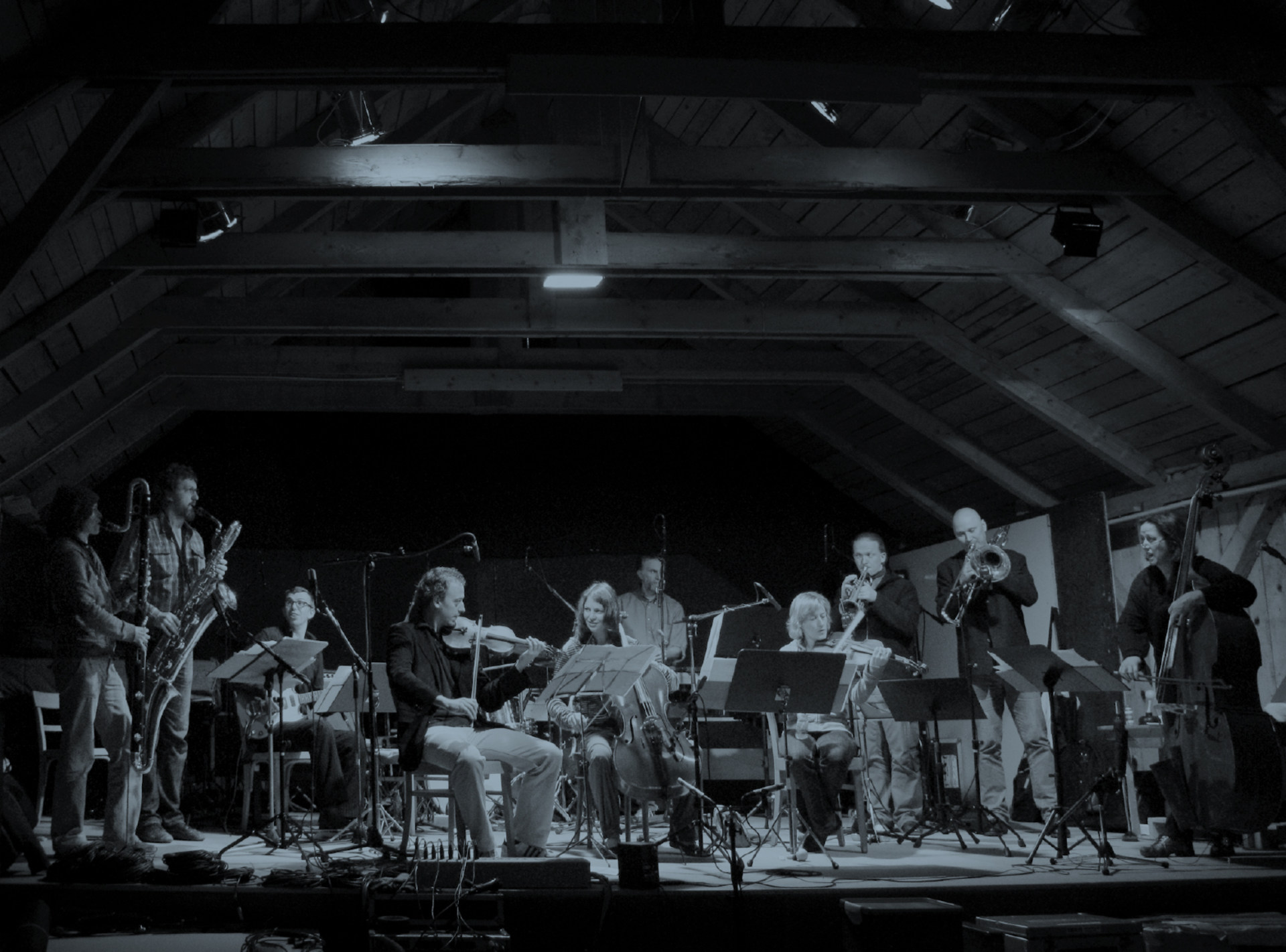
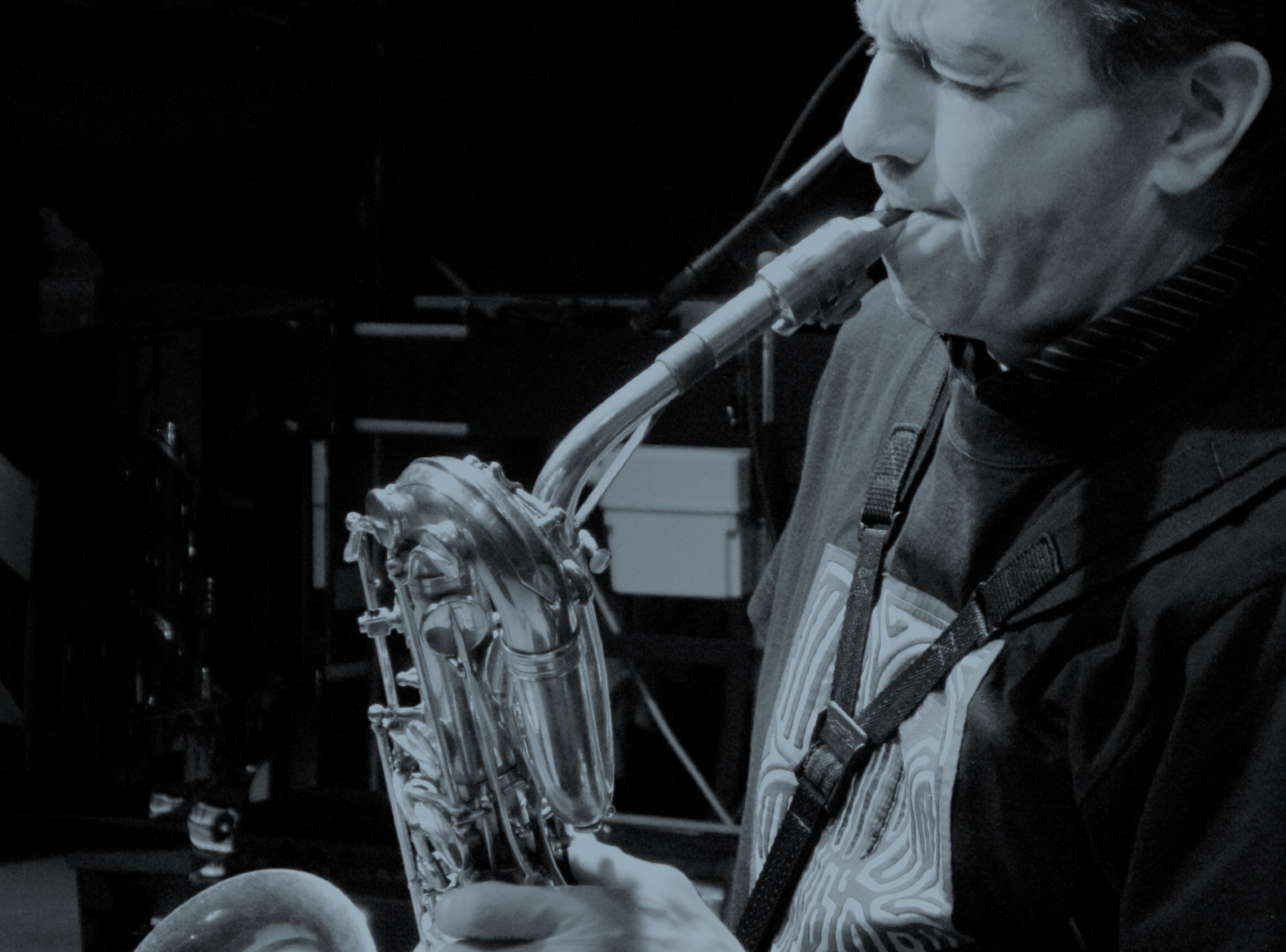
There is the Ulrichsberg Heritage House with its valuable antiques made of Bohemian glass. Not far away is the Ulrichsberg Jazz Studio, a classic of modern jazz culture, which now offers its programme throughout the year. The vibrant spirit of the people of Ulrichsberg has also always been evident in their entrepreneurial talents.
One example is a traditional linen weaving mill in Ulrichsberg, which is now also active internationally with its special designs and high quality. Last but not least, Ulrichsberg is a place in a landscape that is still very unspoilt. Diverse, yet without tourist pomp, it offers holidaymakers everything from golf to fishing.
THE CHARACTER
OF THE NORTH
MINIMALISM IS A MÜHLVIERTLER
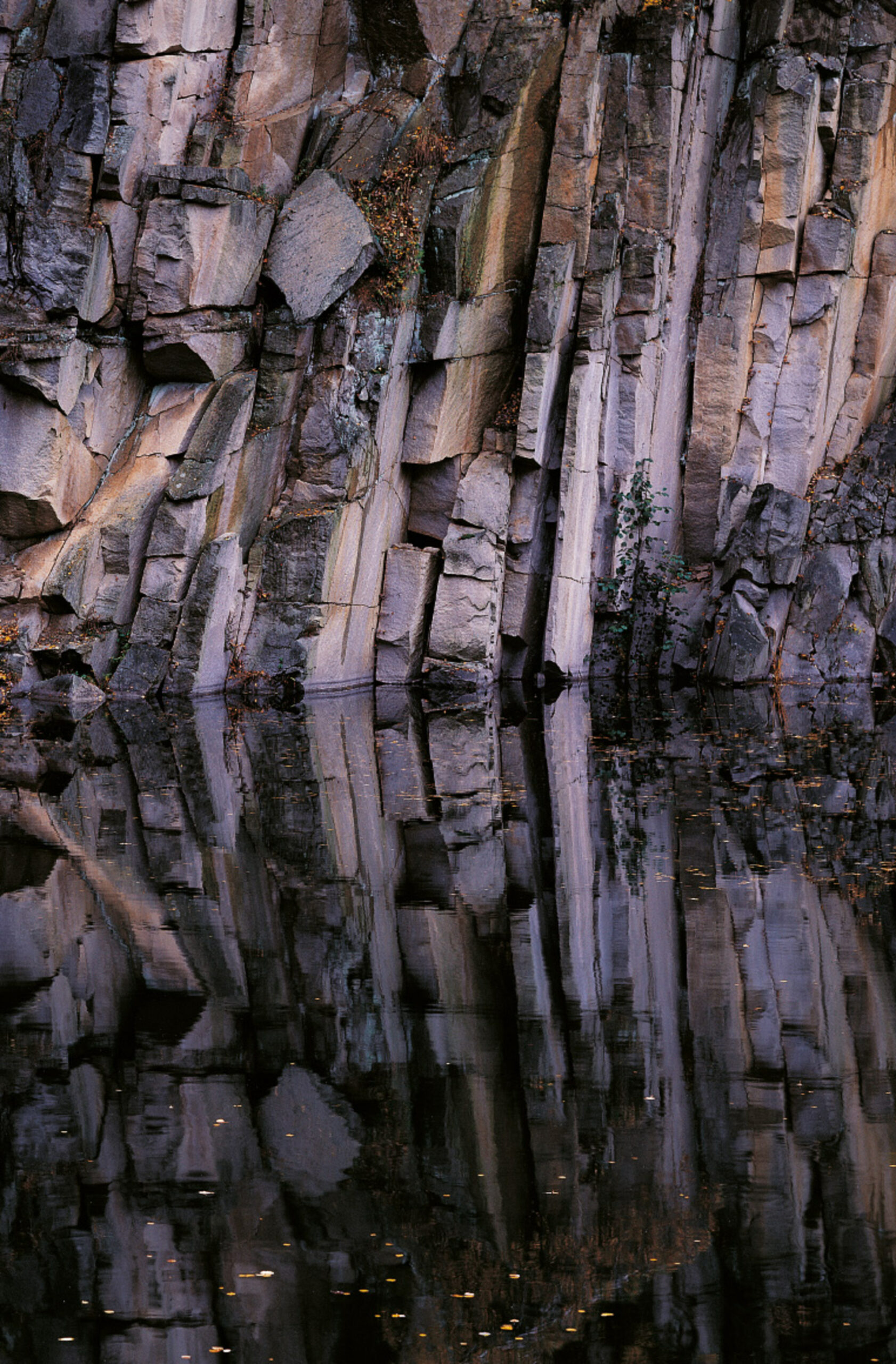
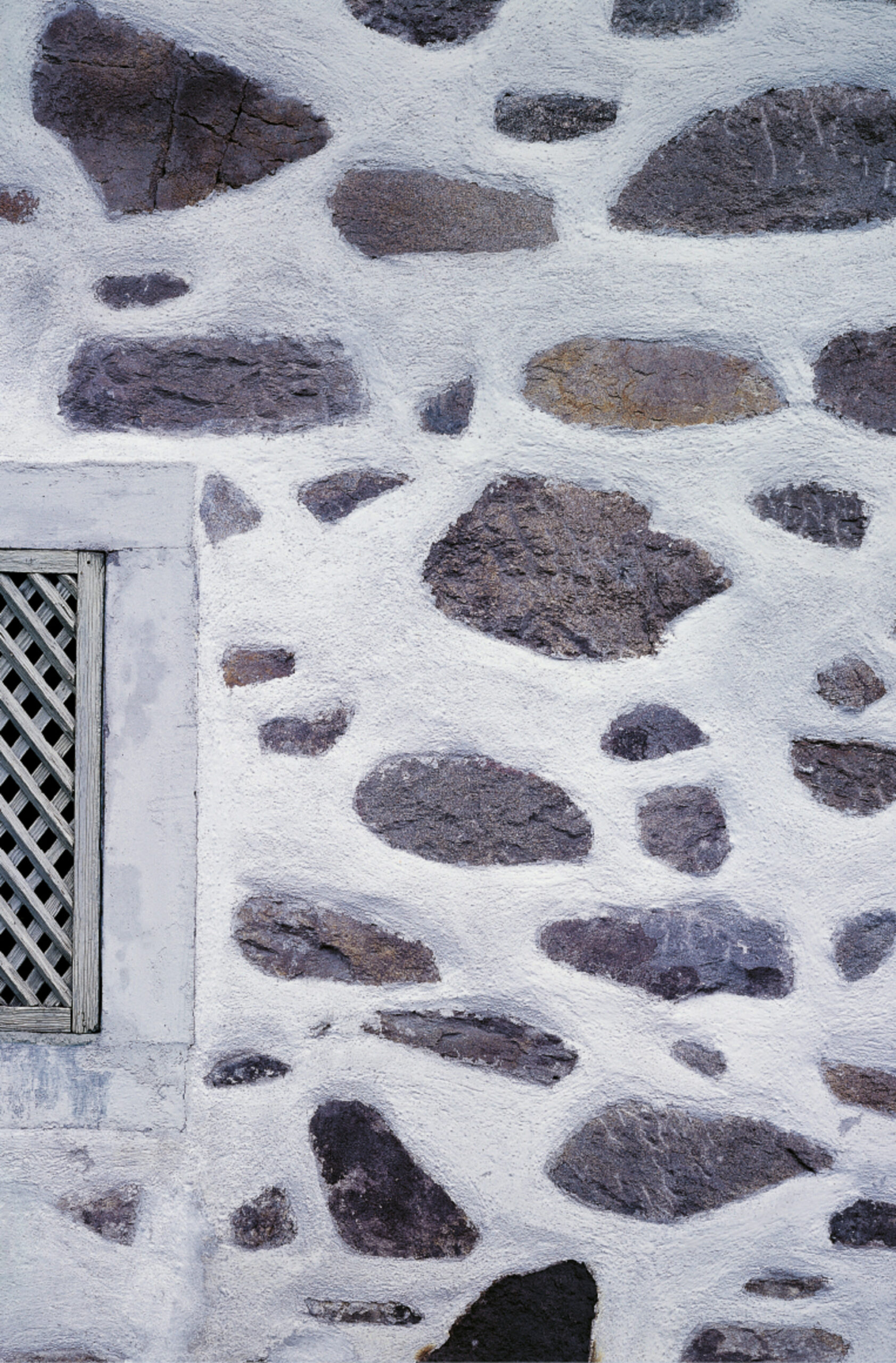
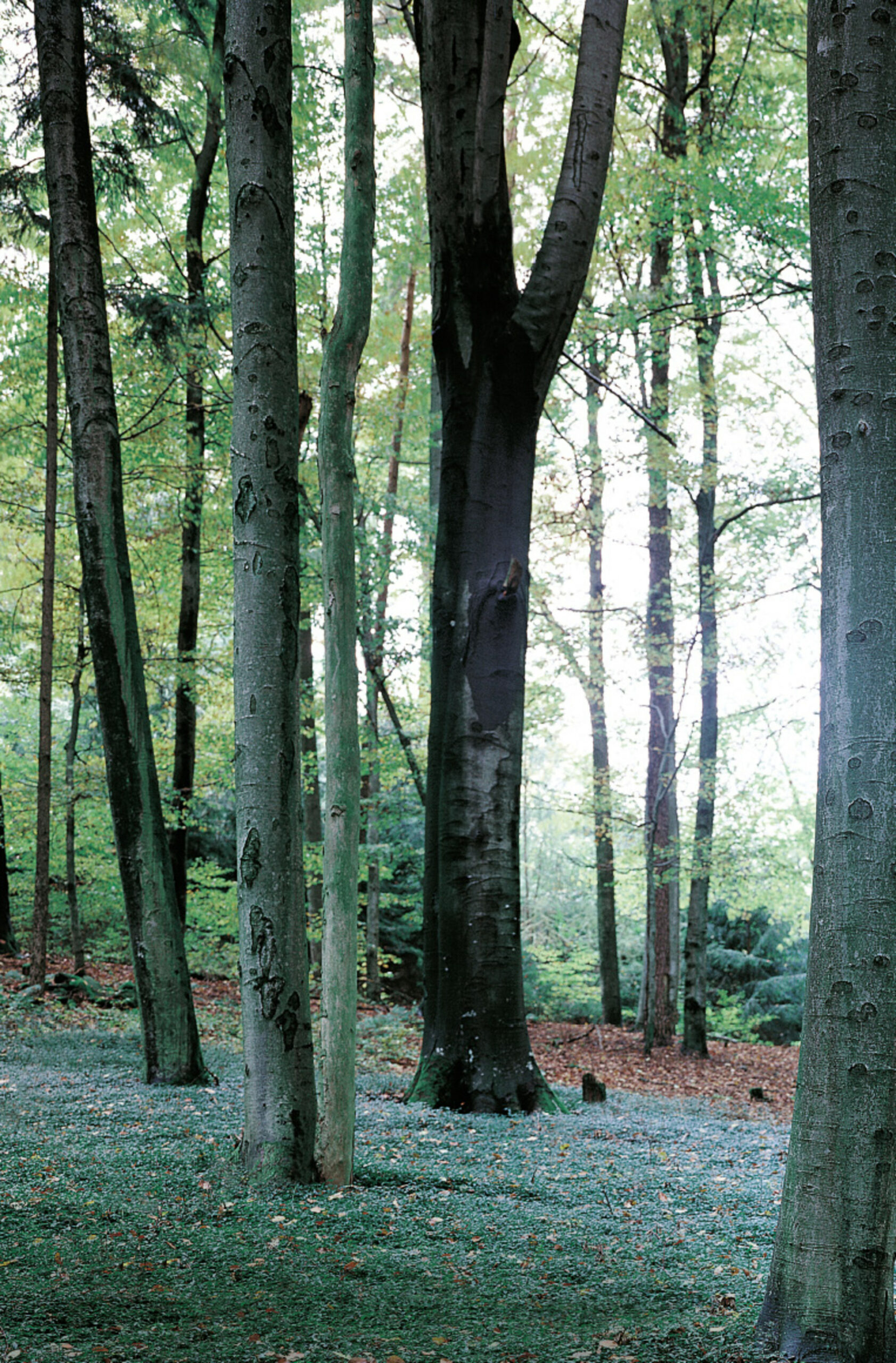
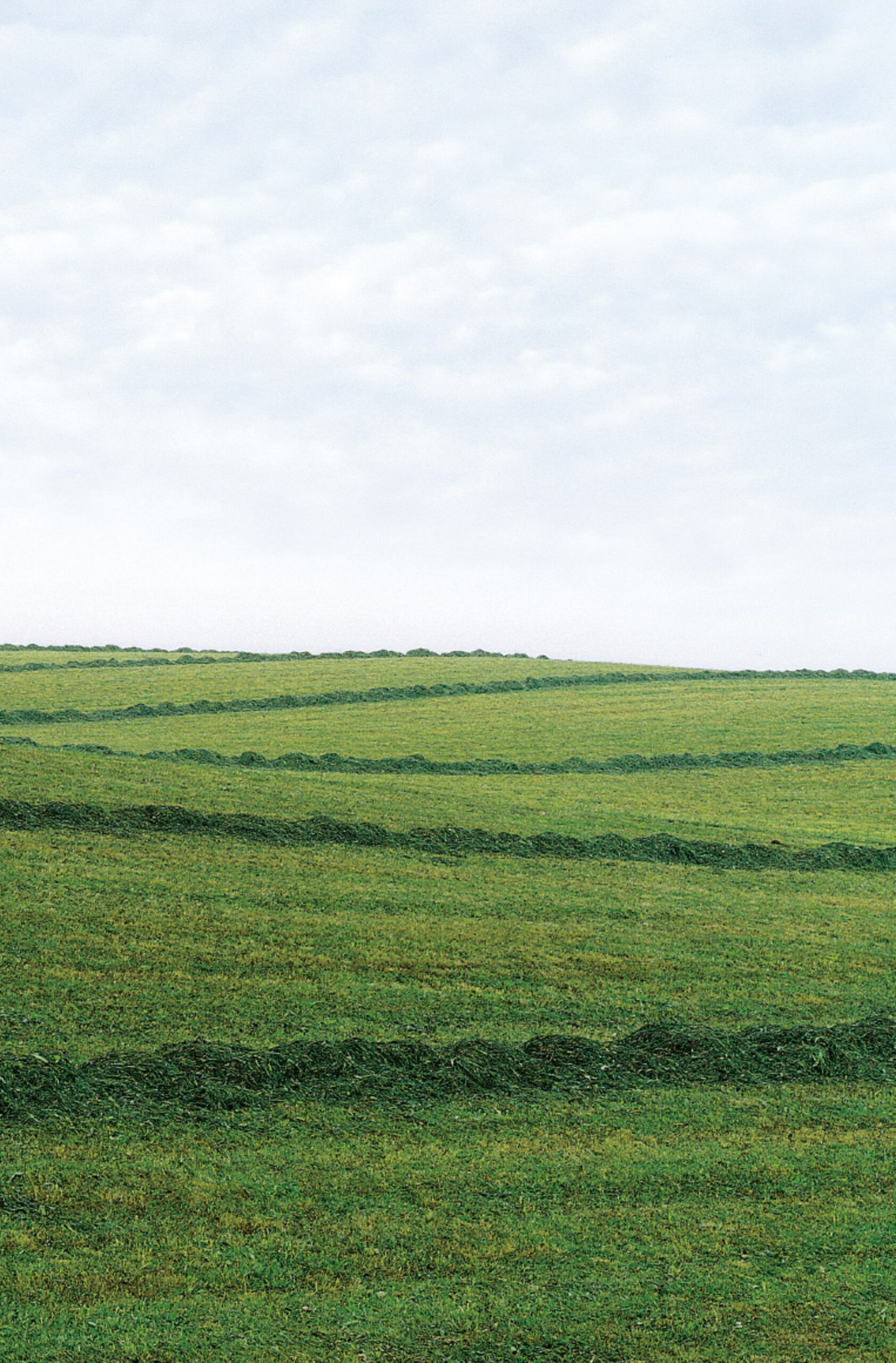
The whole earth is in tectonic motion. The whole earth? No. In the heart of Europe, a small patch is putting up stubborn resistance: the Mühlviertel. This region north of the Danube is part of the Bohemian Massif and thus a solid pillar in the granite foundation of our planet. It is one of the geologically oldest areas in Austria, a slab of primary rock. It even resisted the pressure of the Alps that emerged later, rising only slightly, as if to take a breath, sustaining a few cracks but otherwise remaining unimpressed. Only water, frost, wind and temperature differences created its current form over 300 million years.
GLASS
The Bohemian Forest region is virtually synonymous with glass production and special glass processing. So it’s no wonder that the oldest glass furnace in the Mühlviertel region dates back to the 14th century. Place names such as Glasau and Glashütten tell us all about it. In the 16th century, production was concentrated around the monasteries of Schlägl, Liebenau and Sandl. Here, the finest Bohemian glass was produced, from simple drinking glasses and jars to cut and painted holy water fonts. These glass treasures of times past are now on display at the Ulrichsberg Glass Museum, among other places – like our glass jug from 1830, which, with all due respect for the craftsmanship, was made primarily for the enjoyment of fine Mühlviertel beer.
ART
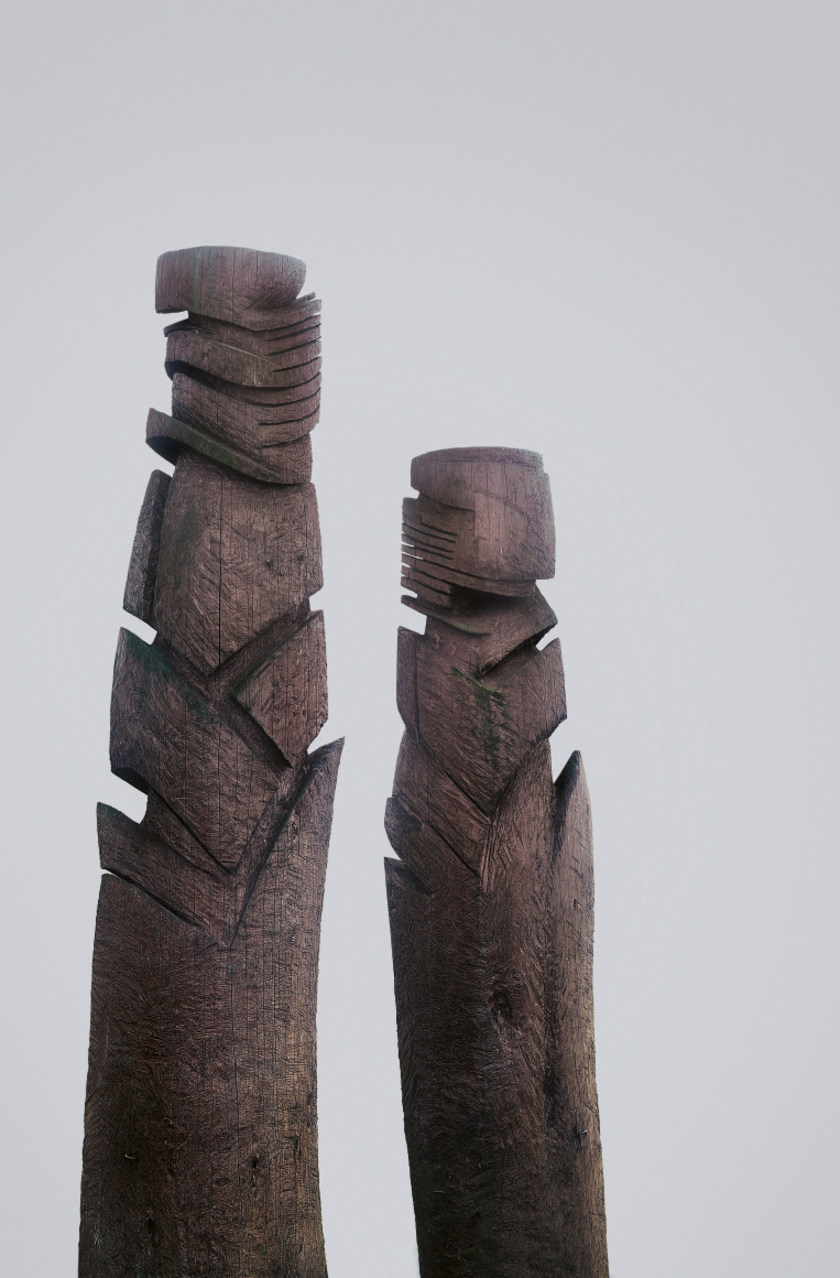
Straighten out the Mühlviertel! A lawnmower attempts to plough order into the landscape. Crazy ideas? No, just projects from the Festival of Regions. Art and culture in the Mühlviertel are by no means as archaic as the landscape. A look back brings to mind the Zülow Group, founded in 1955 as the Mühlviertel Artists’ Guild: visual artists who stood with one foot in the past and were seeking to explore the present with the other. Today, the cultural scene has diversified. A colourful spectrum stretches from publishers like Richard Pils and Franz Steinmaßl to the Ulrichsberg Jazz Studio, the Freistadt local theatre, sculptors’ workshops, the Schwarzenberg Sculpture Park, the Haslach Textile Culture, the Leopoldschlag Grenzlandbühne Theatre, ceramics, graphic art and much more, right up to the Mühltalhof and its art activities.
ENJOYMENT
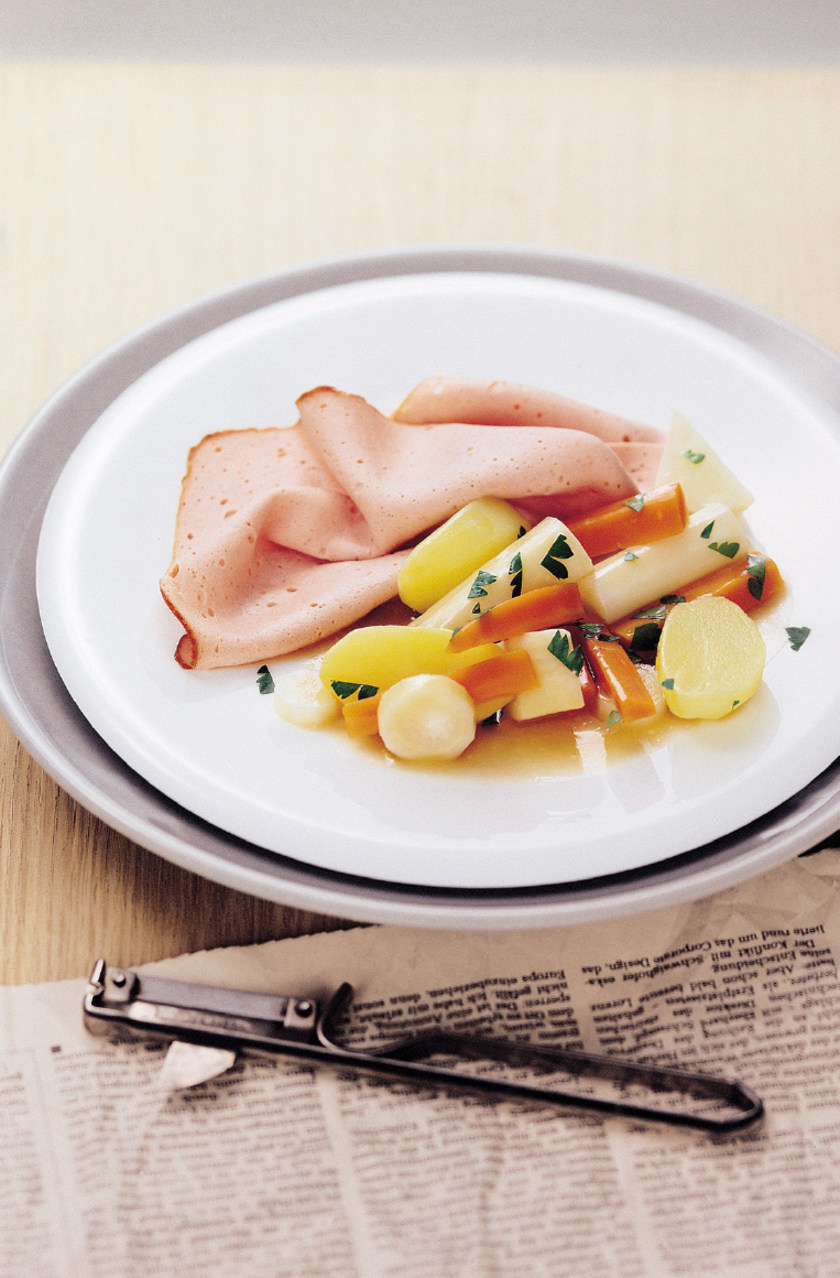
Hikers, when you come to the Mühlviertel, you will find the most incredible places for enjoying mushrooms and down-home dishes, but also award-winning restaurants. So, if your cholesterol level allows it, you can enjoy delicious roast pork and dumplings, and even with limited expertise, you can hunt for delicious porcini mushrooms and chanterelles. (Leave the parasol mushrooms alone, they could be death caps!) You can treat yourself to a sophisticated menu, Mühlviertel specialities or culinary reinterpretations in Neufelden or St. Johann am Wimberg, for example. And finally, you should take a walk through the woods and meadows so that the pleasures of the palate don’t show up on your weight. But you can also just stay at home and enjoy a very special Mühlviertel delicacy, the fine Neuburger.
THE NORTH
OF AUSTRIA
SMALL SAMPLES
FROM THE MÜHLVIERTEL
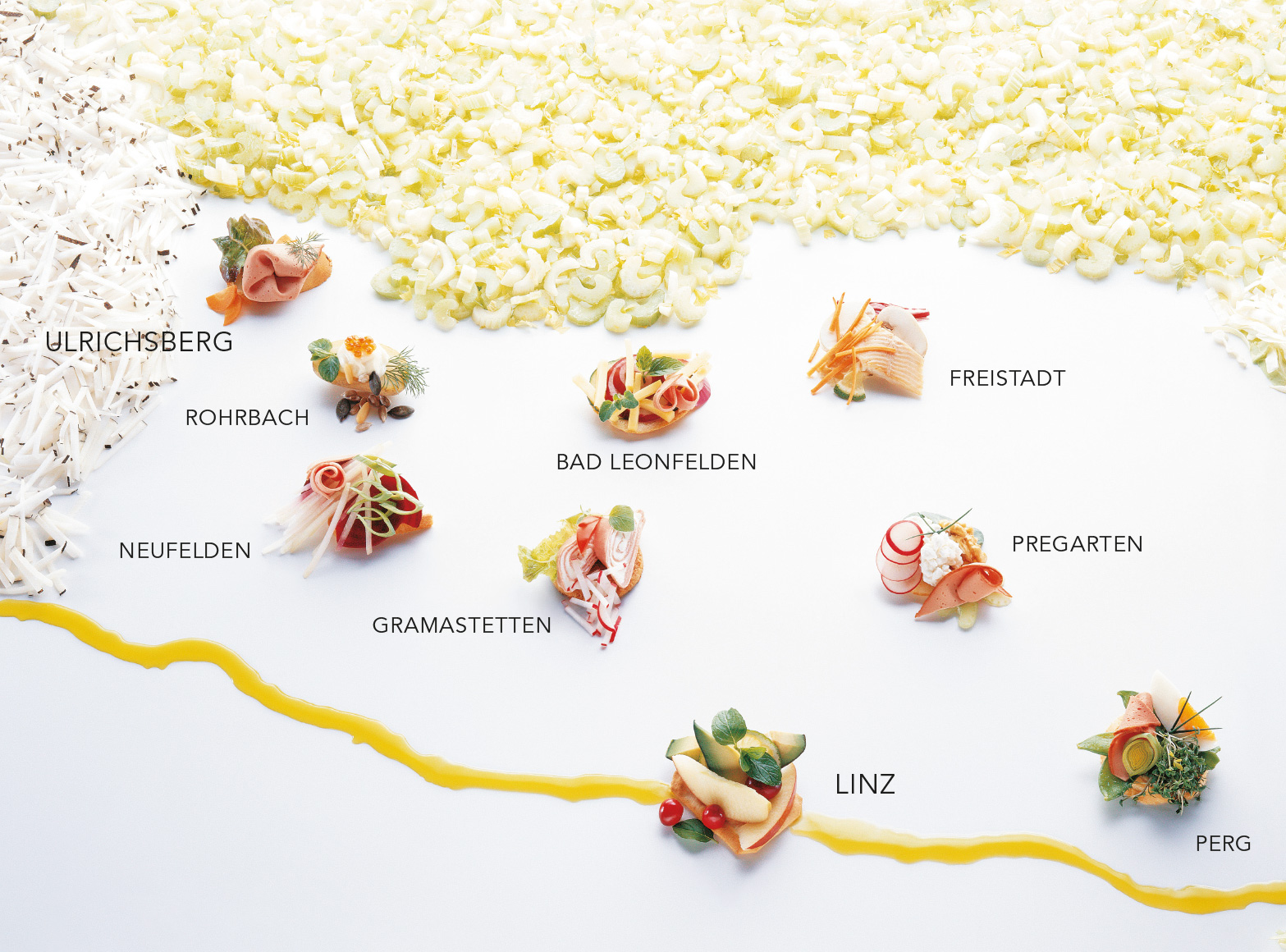
ULRICHSBERG
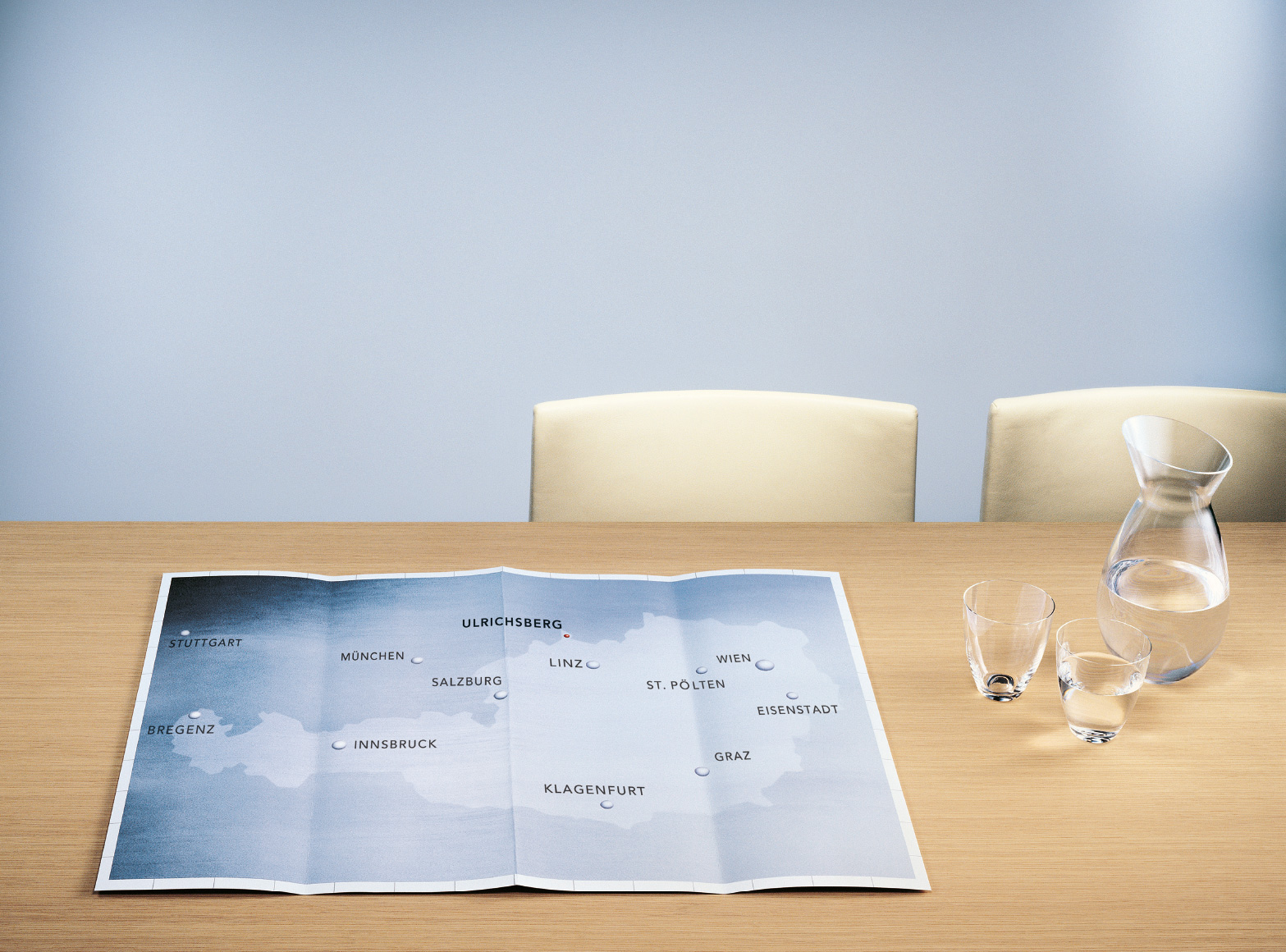
So this is where the Neuburger is at home! In a fairytale landscape near the Bohemian Forest. And since food culture and music culture complement each other wonderfully, the hometown of the Neuburger is also famous for its jazz studio.
ROHRBACH
Walk, hike, run – see, look, marvel. Between rolling hills and dark forests, baroque town houses rise into the northern sky on the market square.
NEUFELDEN
Pure romance along the river banks of the Große Mühl. With idyllic anchoring spots for fishing, natural curling areas and endless options for just enjoying yourself (recommended: the award-winning „Mühltalhof“ restaurant).
BAD LEONFELDEN
Immerse yourself in the healing moor bath. And sink into the delicious treats of Kastner, Austria’s oldest gingerbread bakery. By the way: Kastner also sells gingerbread on Sundays!
FREISTADT
A stately town square plus mighty city walls with proud towers and gates. Once you’ve had your fill of sightseeing, treat yourself to a drink. Original Freistädter beer, of course.
GRAMASTETTEN
Gramastettner Krapferl are a temptation made from fine shortcrust pastry. They taste even better during a leisurely hour in the secluded Waldbad an der Rodl, a designated swimming area in an idyllic landscape.
PERG
The imperial quarry of the Mühlviertel region: sandstone and granite have been quarried here for centuries and crafted into millstones. They have also been used in the construction of fortified churches, palaces and castles.
PREGARTEN
As the name suggests: a magnificent garden! The market town and its surroundings also offer the most beautiful culture and architecture from the Middle Ages to the present day.
LINZ
The port of the Romans is now a modern city of culture. But tradition also lives on: for example, on Tuesdays and Fridays at the Südbahnhofmarkt, when farmers from the Mühlviertel offer their specialities from the north.